



Green Mobility
Steelathon
July 9, 2026
Decarbonising Steel Logistics: Why the Next Step Is an Integrated Ecosystem
The steel industry’s decarbonisation journey is expanding beyond the factory floor.
As steelmakers work to reduce emissions from production, attention is increasingly extending to the supply chain — including the transportation of iron ore, scrap and finished steel. For a sector where road freight remains an important part of the value chain, cleaner logistics has a role to play in the next phase of decarbonisation.
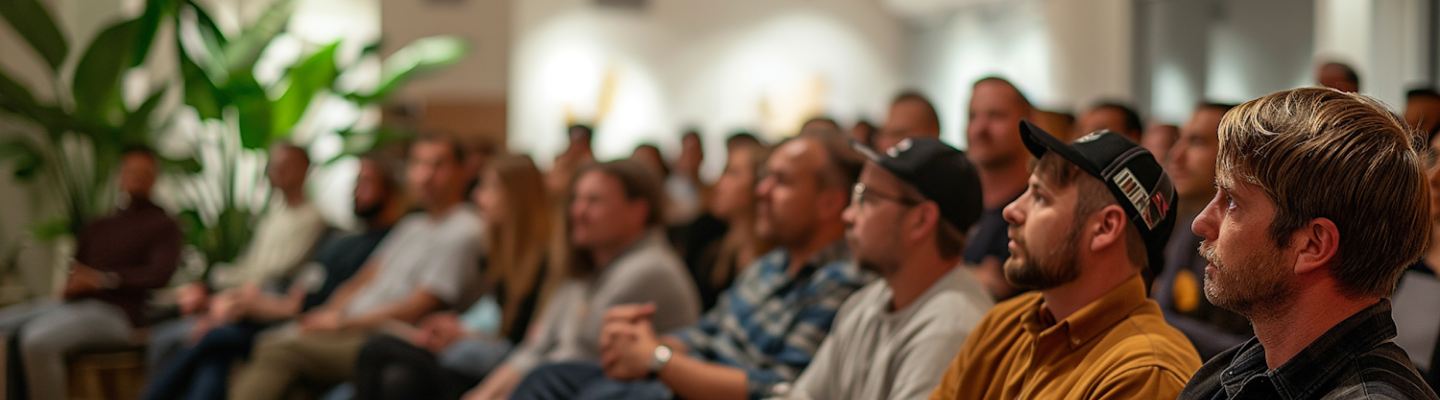
This was the focus of Yudhishthir Ruia’s session, “India’s Time to Decarbonise Logistics,” at the 13th Indian Steel Markets Conference – Steelathon: Shaping the Steel-to-Scrap Value Chain, where GreenLine Mobility Solutions participated as a Bronze Partner.
Decarbonisation is moving into the supply chain
The steel sector is facing growing pressure to account for emissions across its broader value chain. Global mechanisms such as carbon border measures, alongside increasing domestic sustainability targets, are making supply-chain emissions an increasingly relevant consideration for steel companies.
India moves roughly 180 million tonnes of steel every year, with nearly half transported by road. This makes freight an important part of the conversation around the sector's overall emissions footprint.
The question, therefore, is no longer only how steel is produced. It is also how it is transported across the country.
Building the ecosystem around the truck
One of the challenges in scaling cleaner heavy-duty transportation is that vehicles, logistics operations and fuelling infrastructure need to develop together.
GreenLine’s approach is built around this principle.
The ecosystem brings together three complementary capabilities: Blue Energy Motors, which manufactures LNG- and EV-powered heavy-duty trucks; GreenLine Mobility Solutions, which operates the logistics and transportation services; and UltraGas Energy Ltd. (UGEL), which is developing the LNG fuelling network.
Each addresses a different part of the adoption equation. Together, they create the foundation required to scale cleaner freight across major industrial corridors.
Solutions that work within existing logistics requirements
The transition to lower-emission freight also needs to work within the realities of industrial transportation.
GreenLine currently operates more than 1,000 LNG- and EV-powered heavy commercial vehicles across India, with the fleet having travelled more than 100 million kilometres over three years.
For long-haul applications, LNG-powered trucks can typically cover 1,200–1,400 kilometres, with a dual-tank configuration extending range to up to 2,800 kilometres.
For shorter-haul operations, electric trucks use battery-swapping technology, with a battery swap taking less than five minutes. A battery-as-a-service model can further reduce the upfront cost associated with EV adoption.
These solutions allow businesses to explore cleaner freight without requiring changes to their core manufacturing processes.
Scaling requires infrastructure alongside vehicles
Vehicle deployment is only one part of the transition. Fuelling infrastructure has to grow alongside the fleet.
UGEL is expanding its LNG refuelling network across key national freight corridors, with eight stations currently operational and a broader target of 100 stations. Around 25 stations are targeted by the end of the year.
This alignment between vehicles, logistics operations and infrastructure is important to creating a system that can support adoption at scale rather than as isolated deployments.
From 1,000 trucks to 10,000
GreenLine has set out an ambition to scale its fleet from more than 1,000 trucks to 10,000 over the next three years.
The objective is larger than increasing fleet numbers. It is about creating a logistics ecosystem capable of supporting India's industrial growth while giving businesses practical options to reduce emissions associated with road freight.
At Steelathon, the discussion reinforced a simple principle: decarbonising steel logistics is possible today, but scaling it requires the different parts of the ecosystem to move together.
For GreenLine, that means continuing to bring together cleaner heavy-duty vehicles, logistics operations, technology and fuelling infrastructure to support the next stage of India's freight transition.

